
Stock Market BasicsRead Article
Capital Gains Tax on Shares: STCG vs LTCG Guide 2026
4 Jul 2026
5 min read
Articles, explainers, and research-backed perspectives on Indian equities and commodities.
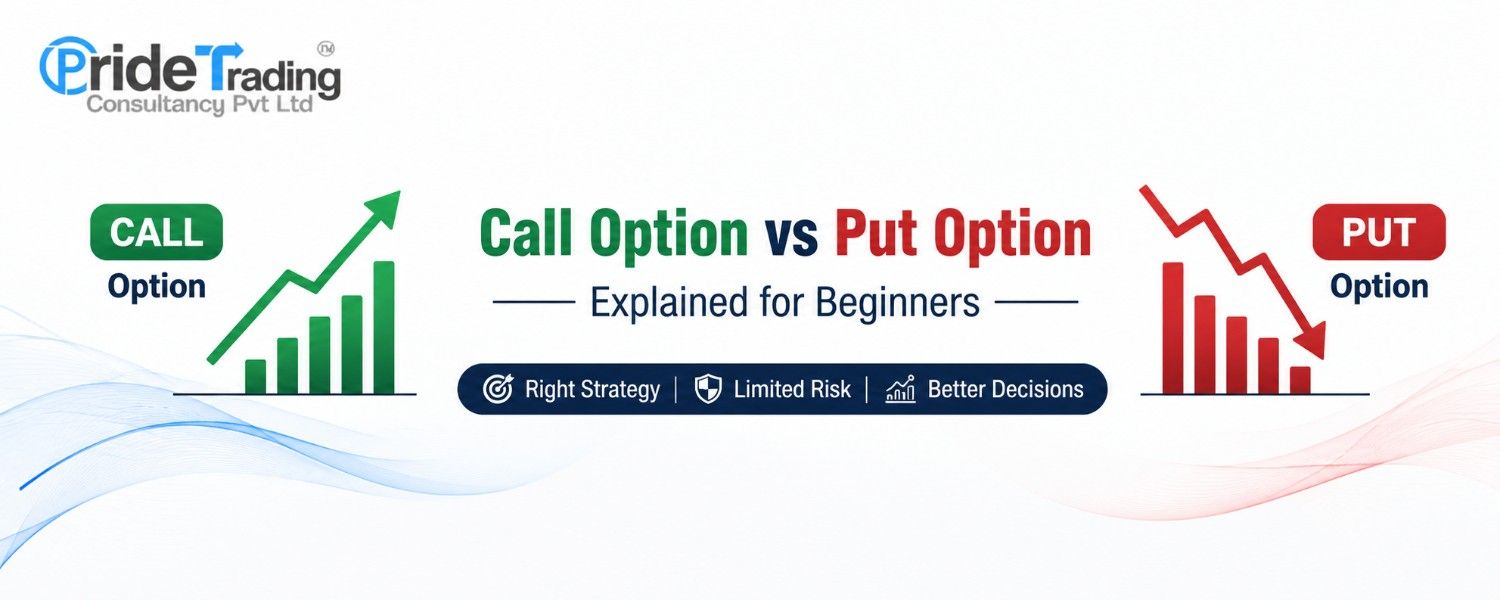
A beginner's guide to call options and put options in India. Understand strike price, premium, expiry, and how option buyers and sellers work in Nifty and Bank Nifty, along with the risks every new trader should know before starting.

Learn how candlestick patterns help traders understand price movements in the stock market. This beginner-friendly guide explains candlestick charts, bullish and bearish patterns, Doji, hammer, and engulfing and how these formations are used in technical analysis for better market understanding, without promising any specific trading outcome.
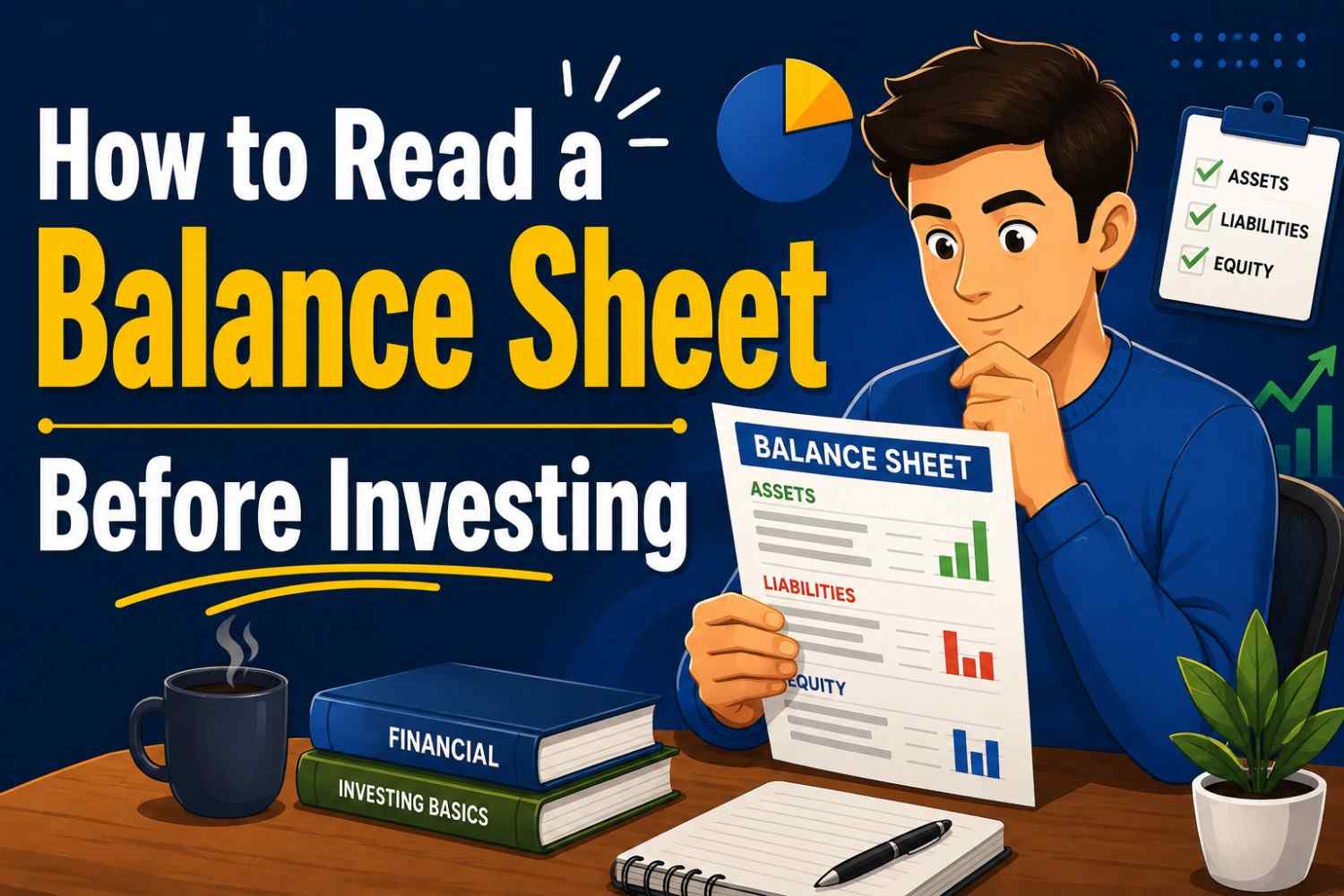
A beginner-friendly guide to reading a company's balance sheet before investing — understand assets, liabilities, and shareholders' equity, check debt and working capital, and spot the red flags that profit figures hide.

A simple guide to mutual funds for Indian beginners — what they are, how they work, their types, risks and returns, and exactly how to start investing with as little as ₹500.
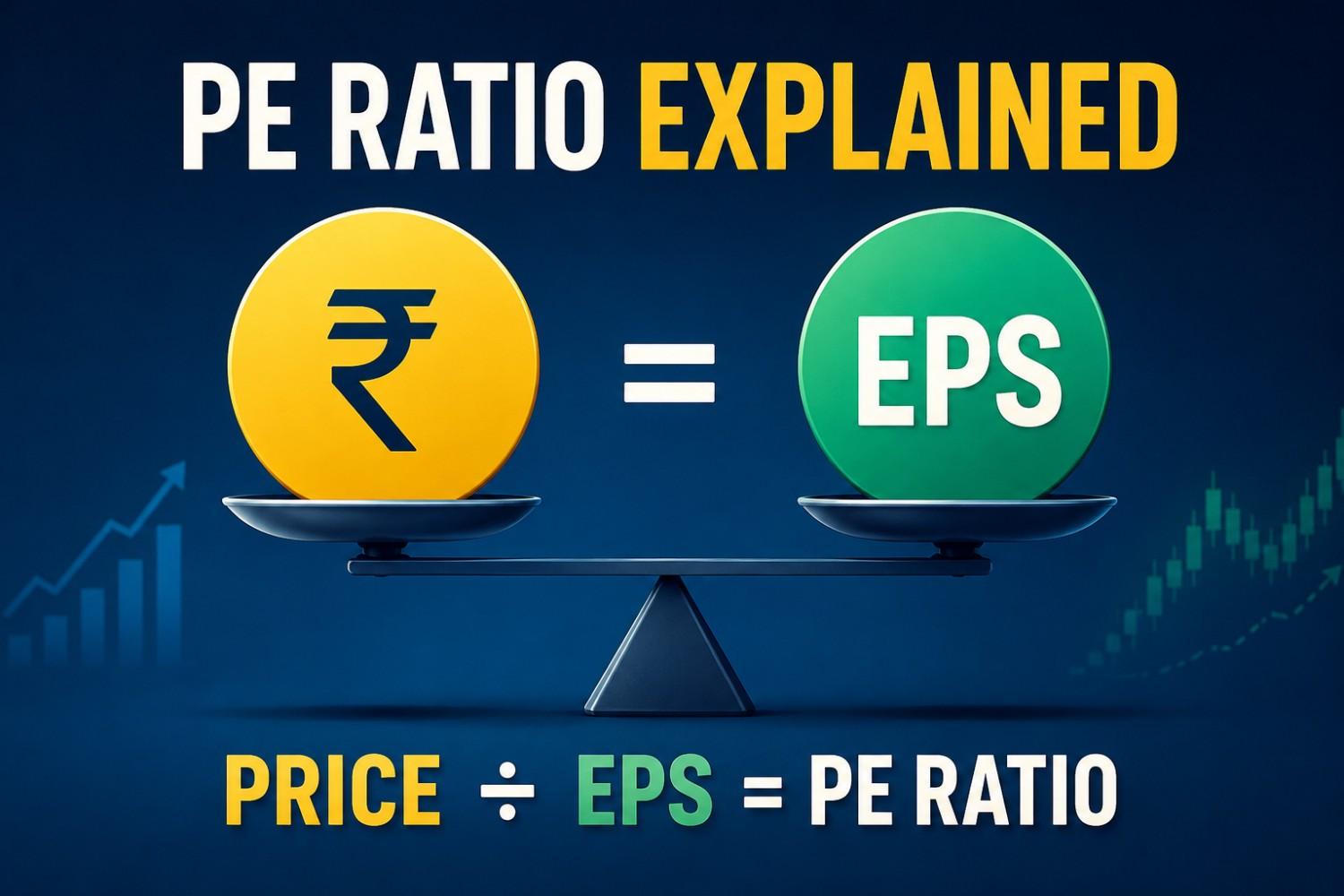
Learn what the PE ratio is, how to calculate it from share price and EPS, and how to use price-to-earnings to compare Indian stocks — plus its limits every beginner should know before buying.

Learn how to read a company's profit and loss statement before investing. This beginner-friendly guide explains revenue, profit, margins, and EPS in simple language, and shows the common mistakes that mislead new investors and the red flags worth checking.

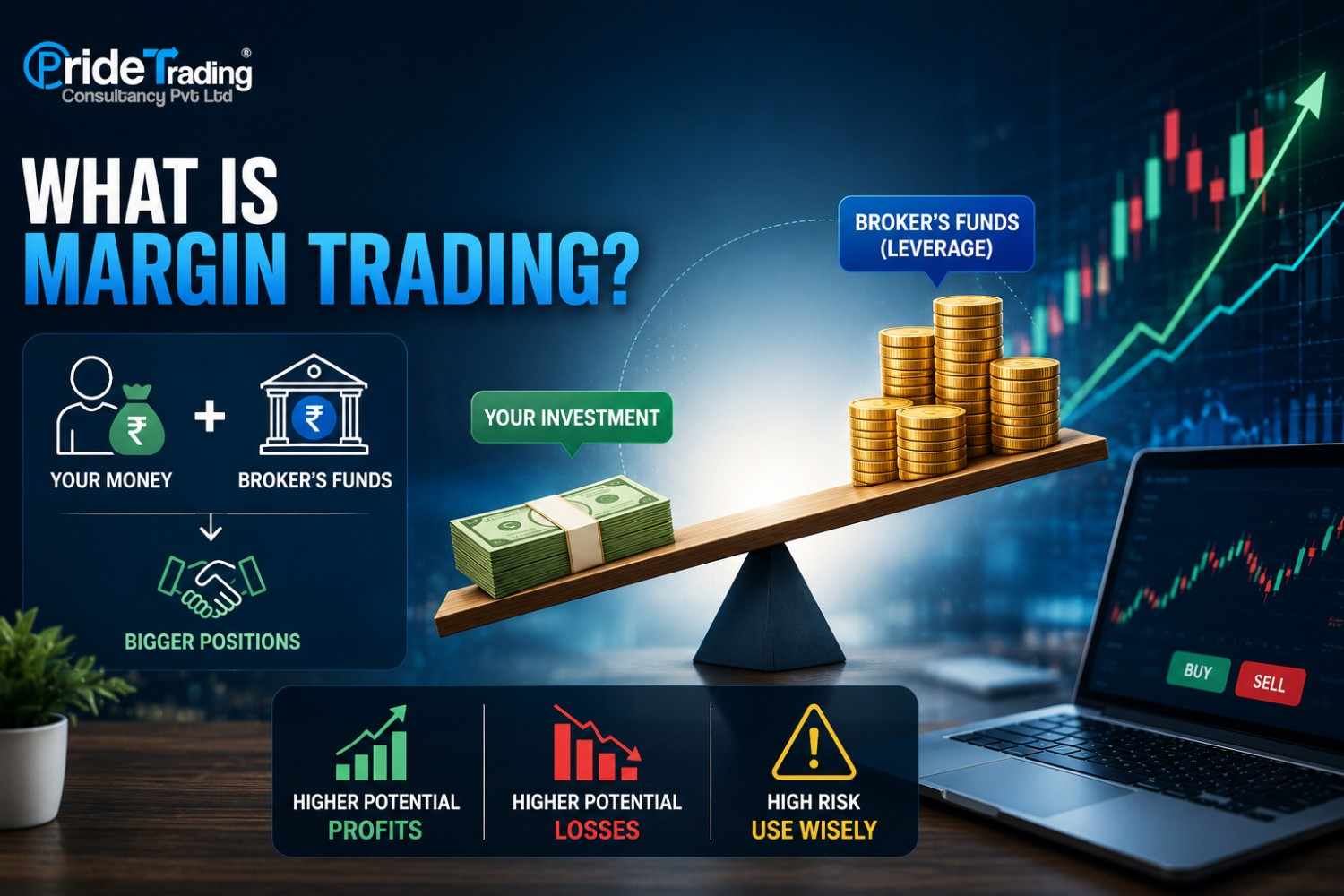

Emotions are the invisible force behind most trading losses. This guide explains why fear, greed, and overconfidence derail trading decisions — and what practical habits Indian traders can build to develop real emotional discipline in the stock market.

Choosing between intraday trading and swing trading is one of the first decisions every active trader faces. While both strategies aim to profit from market movements, they differ significantly in terms of time commitment, risk, capital requirements, and trading psychology. This guide explains the key differences between intraday and swing trading, compares their advantages and challenges, and helps beginners and working professionals understand which approach better suits their goals, schedule, and risk tolerance. Whether you're new to the stock market or looking to refine your trading style, this article provides a practical comparison to support informed decision-making.

Learn what swing trading is, how it works in Indian markets, key indicators, risk management techniques, and common mistakes beginners should avoid.

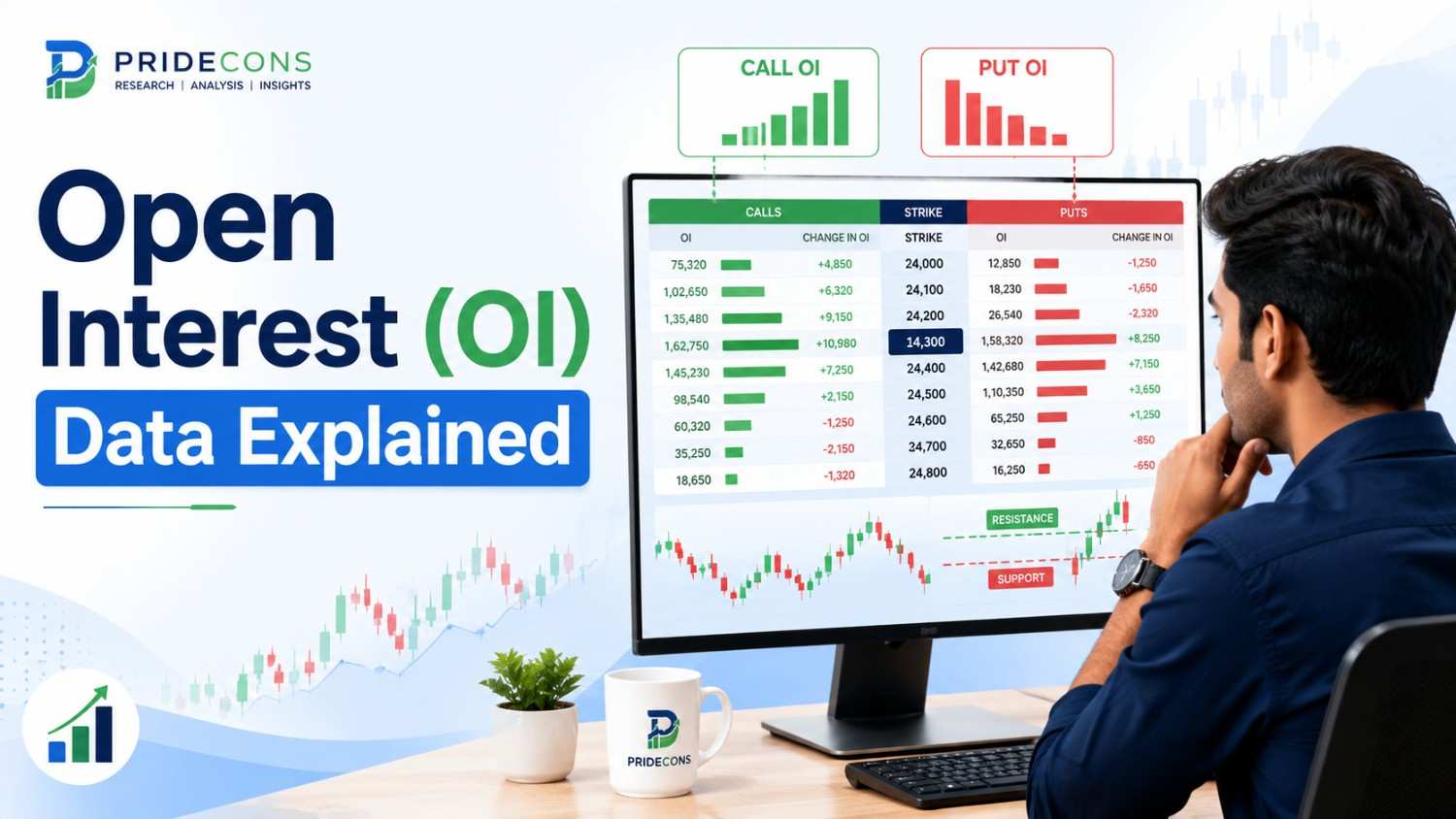
Learn how to read Open Interest (OI) data in trading, understand Change in OI, long buildup, short covering, and use OI analysis on NSE option chains.

Option chain analysis is how serious traders read where the big money is positioned in the market. Learn Open Interest, PCR, Max Pain, and IV — the four key indicators that turn a confusing table into a practical trading tool. Beginner-friendly guide by PrideCons.

Most Bank Nifty traders lose not because of bad analysis, but because they have no analysis at all. This guide covers the complete pre-market prediction framework — support resistance, option chain, PCR, and technical indicators — in plain language for Indian traders.


Every time Nifty falls 300 points without clear reason, the answer often hides in three letters — FII. Understanding what FII and DII data tells you is one of the most practical skills any Indian stock market investor can build in 2026.
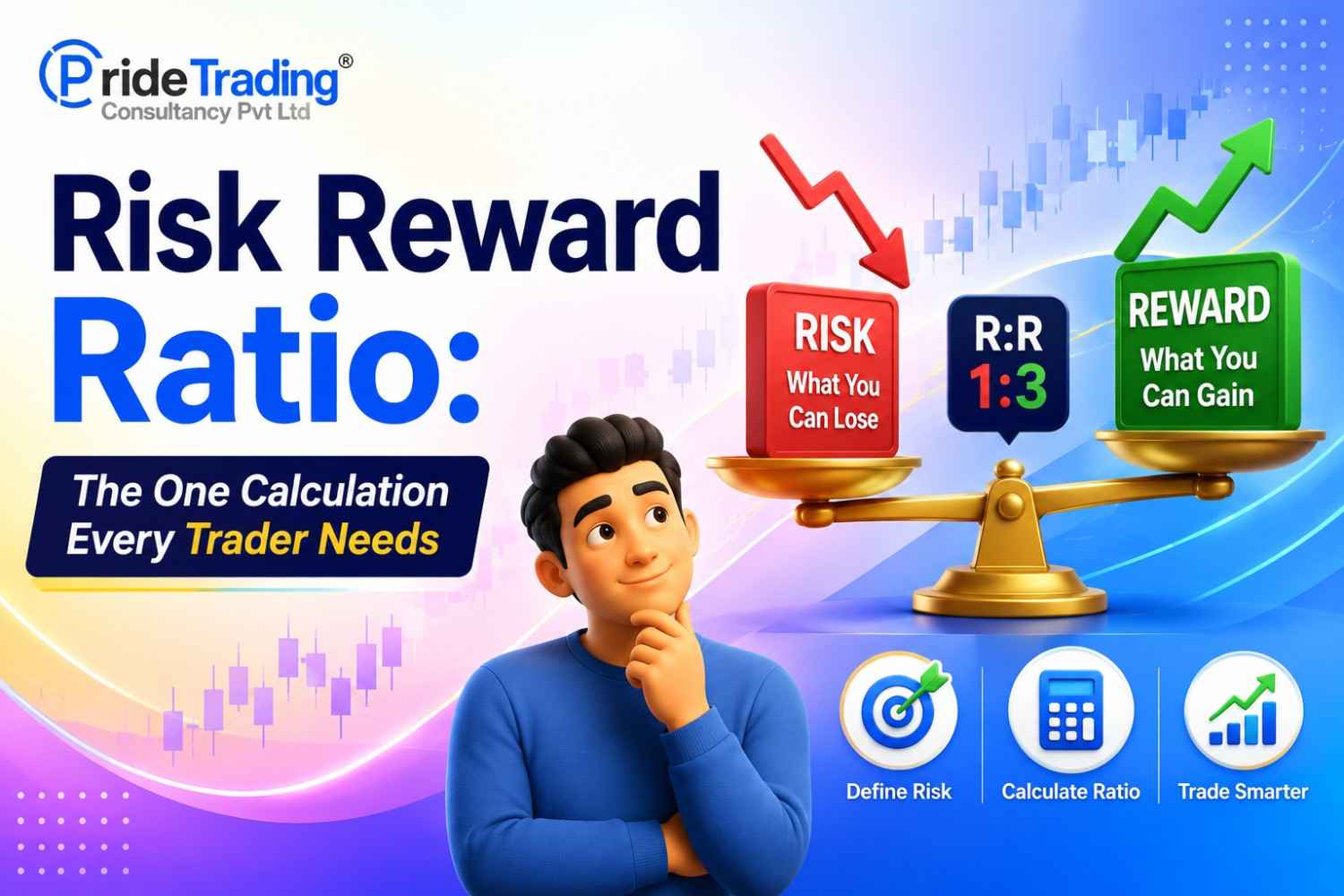
Learn what the Risk-Reward Ratio is, how to calculate it, why it matters in trading, and how traders use stop losses, targets, and position sizing to manage risk.
Learn what a Trading Account is, how it works, how to open one online, key charges, account types, and the difference between a Trading and Demat Account.

Learn the difference between stop loss and trailing stop loss, when to use each strategy, and which one works best for intraday and swing trading.

Learn what a Demat Account is, how it works, how to open one online, the charges involved, and the key difference between a Demat and Trading Account.

Learn what Sensex is, how the BSE Sensex is calculated, which companies it tracks, how it differs from Nifty 50, and why it matters to every Indian investor.

Nifty 50 is India's leading stock market index, representing 50 large and actively traded companies listed on the NSE. Learn how it works, how it is calculated, and why it is important for investors and traders.
Learn the best Intraday Trading Tips for NSE, including stock selection, entry and exit strategies, stop-loss rules, risk management, and common mistakes every beginner should avoid.

Check IPO allotment status online through BSE, NSE, or registrar websites. Learn how to verify allotment results using PAN, DP ID, or application number.
Learn the key difference between NSE and BSE, including trading volume, listed companies, Nifty 50, Sensex, liquidity, and which stock exchange is better for Indian investors.

Learn the basics of MCX commodity trading in India, including gold, silver, and crude oil trading; MCX trading hours; lot sizes; and essential risk management tips for beginners.

Learn what a SEBI-registered research analyst is, how registration works, eligibility requirements, NISM certification, and why investors should verify an analyst before trusting stock recommendations.

Stay updated with the latest upcoming IPOs in India for 2026. This guide covers expected IPO launch dates, company details, Grey Market Premium (GMP), and key factors every investor should review before applying. Whether you're tracking mainboard or SME IPOs, this article helps you understand the IPO pipeline and make informed investment decisions.

MCX Silver Trading offers opportunities to trade one of the world's most actively traded precious metals. This guide explains how silver futures work, MCX trading hours, lot sizes, margin requirements, key price drivers, and the risks beginners should understand before trading. Whether you're new to commodity markets or exploring silver trading, this article provides the essentials to help you make informed decisions.
A stop loss is one of the simplest tools for managing trading risk, yet many beginners ignore it until it's too late. This guide explains how stop-loss orders work, different stop-loss methods, common mistakes, and practical examples to help traders protect their capital and make more disciplined trading decisions.

SEBI plays a vital role in protecting investors and regulating India's securities market. Learn its full form, key functions, powers, and why understanding SEBI is important before investing in stocks, IPOs, or mutual funds.

IPO GMP (Grey Market Premium) is widely followed by investors before an IPO listing, but it is only one part of the overall picture. This guide explains what IPO GMP means, how it is calculated, why it changes, and its limitations. Learn how to evaluate GMP alongside company fundamentals, valuation, and subscription data to make more informed IPO decisions.

Confused between MCX and the stock market? This beginner-friendly guide explains the key differences in trading hours, risk, returns, capital requirements, and who each market is best suited for. Whether you're interested in commodities like gold and crude oil or investing in stocks, you'll understand which market matches your goals before placing your first trade.

Thinking about trading gold on MCX? Learn how gold futures work, trading hours, lot sizes, margins, risks, and key concepts every beginner should understand before placing a trade.